10 Modern Advancements the Romans Had First
1.) Concrete
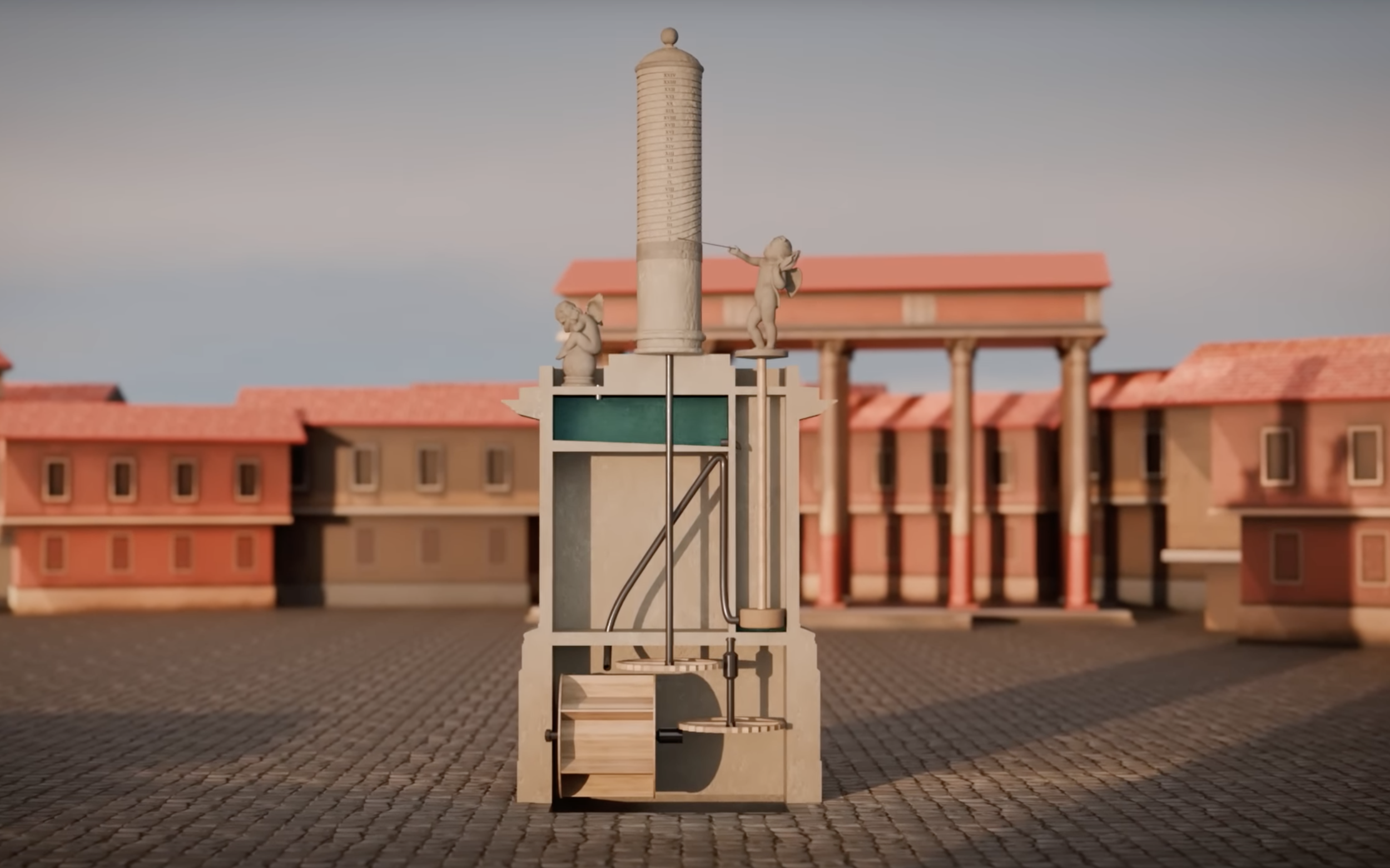
While the rest of the ancient world was still mucking about with sticks and mud, the Romans had concrete down. In many ways you could say concrete is what made the Roman Empire. As early as 150 BC the Romans were using it to construct buildings, bridges, and aqueducts. Their mastery of underwater concrete allowed them to build state-of-the-art harbors for seaborne trade. The formula they used was so reliable that many structures they built are still with us today. While many ancient civilizations disappeared back into the mud, you can still marvel at the Pantheon or walk the corridors of Diocletian’s Palace more than two thousand years later, and it’s all thanks to Roman concrete.
2.) Roads
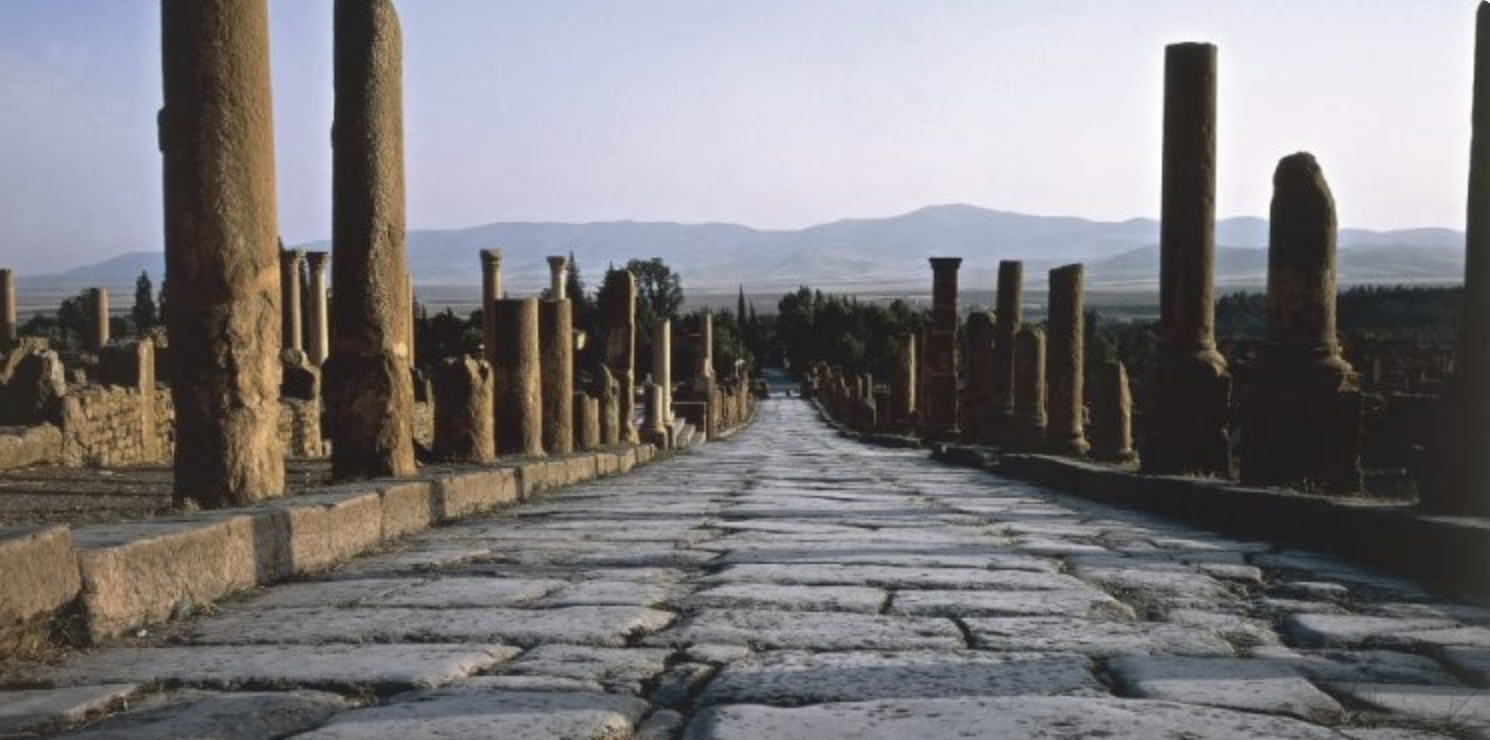
Another vestige of Roman civilization you can still see today are the roads. Roman roads were built of polygonal blocks of volcanic rock, graded, mortared, cambered for drainage, and laid out as straight as a ruler. They cut through rock outcroppings, passed over bridges, tunneled through mountainsides, and passed over causeways to avoid marshy areas. Roman roads were designed to radiate outwards from city centers and ran for hundreds of miles. The network covered 186,000 miles at its peak and was not equaled for size and sophistication until the interstate highway system was built in the USA in 1956.
Image credit: History
3.) Sewage systems
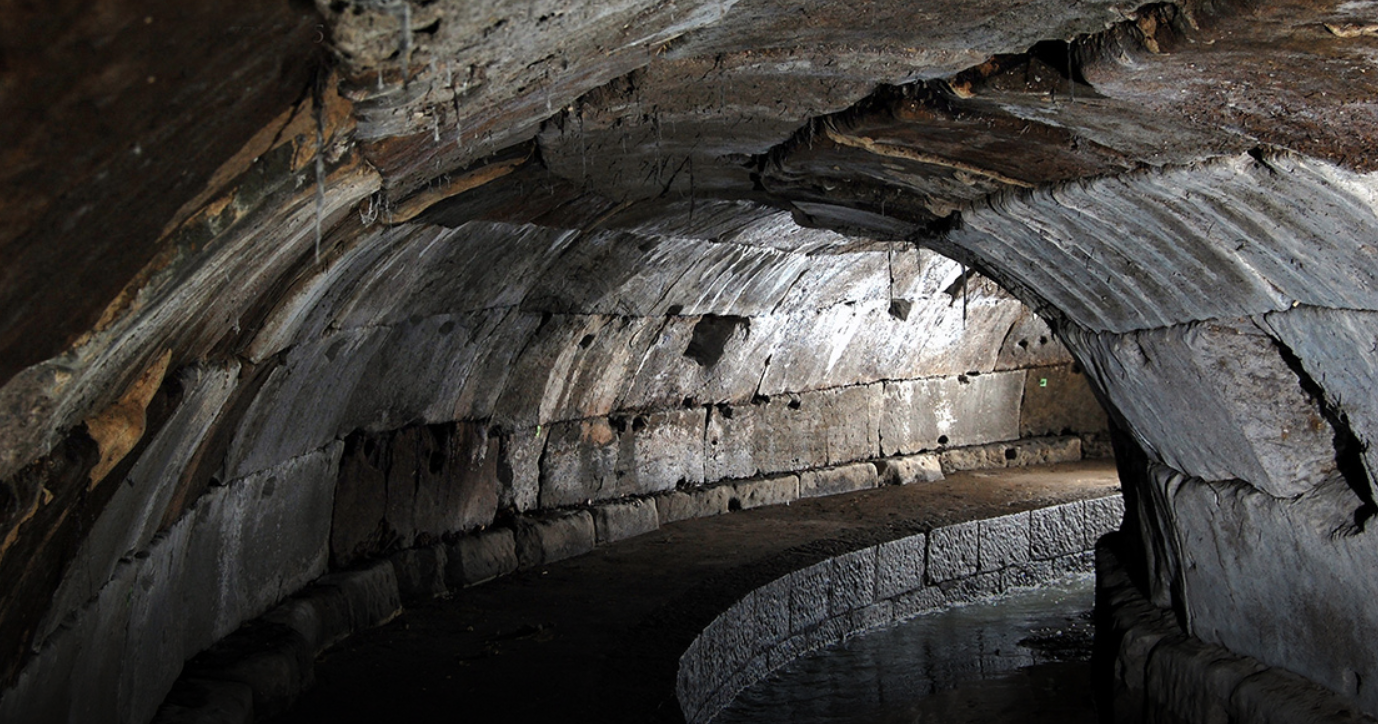
Built in 500 BC, the first Roman sewer system was designed to drain the marshy area around the Tiber River in the city of Rome. As an added benefit it carried effluent to the river, including human waste. At first it was a system of open air drainage ditches, but in the second century BC it was covered over, and in the first century AD it was fed by aqueducts, which pushed the water through the system, flushing it out into the river. The underground sewer system was so effective it was mimicked in other Roman cities and became the model for modern sanitary systems. In Rome parts of the ancient system are still in use today.
Image credit: Omrania
4.) Central heating
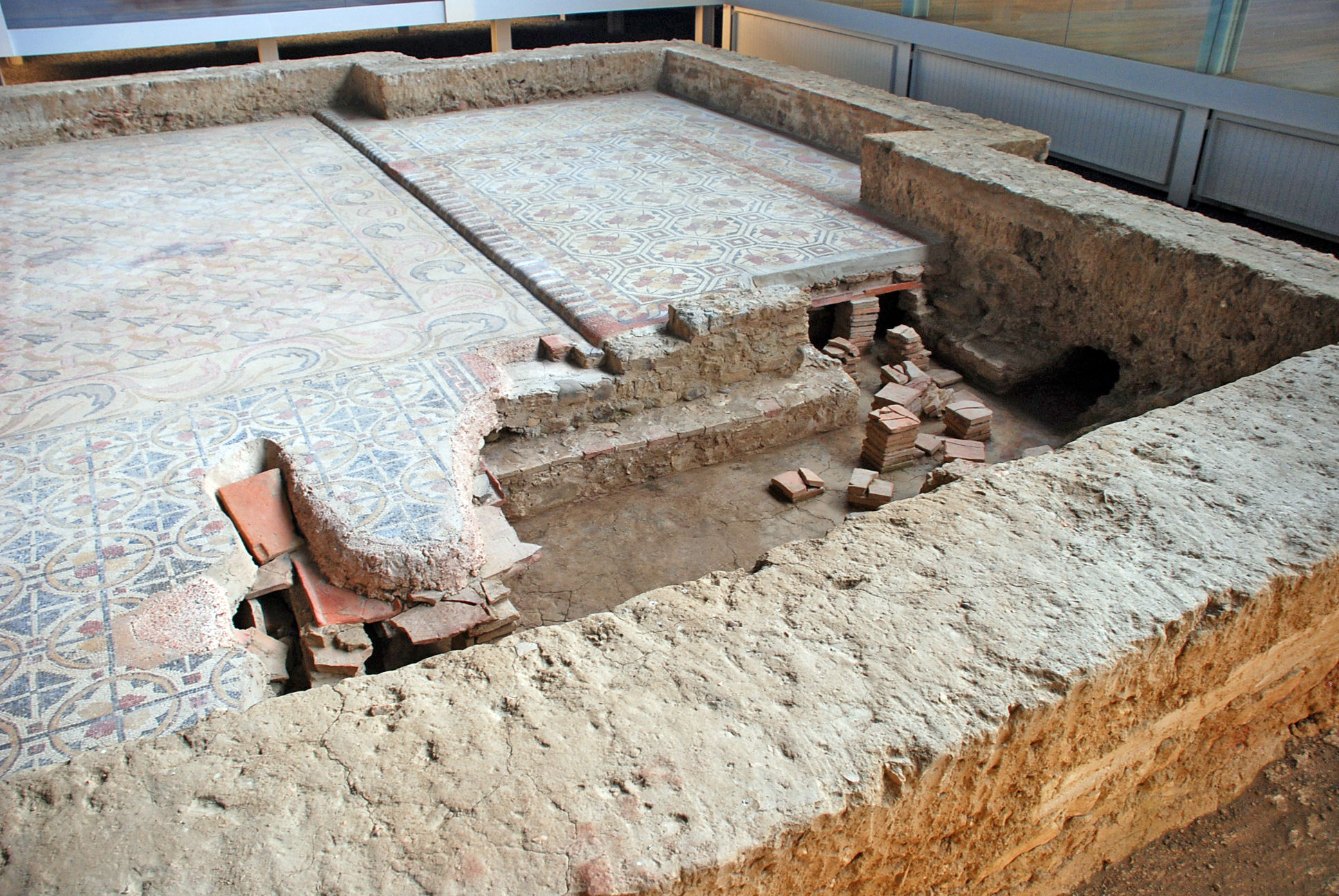
As incredible as it may seem, the ancient Romans had central heating in their homes. The Roman hypocaust system consisted of a shallow space beneath the floors through which hot air from a furnace would circulate. The warm air would then enter the living space above through flues and grates. The only modern advancement the Roman’s lacked was forced air. Otherwise, their system was essentially the same as our modern central heating. After the Fall of the Roman Empire, the people of western Europe reverted to sitting around a fire. Central heating wasn’t re-invented until 1919.
Image credit: Valdavia
5.) Newspapers
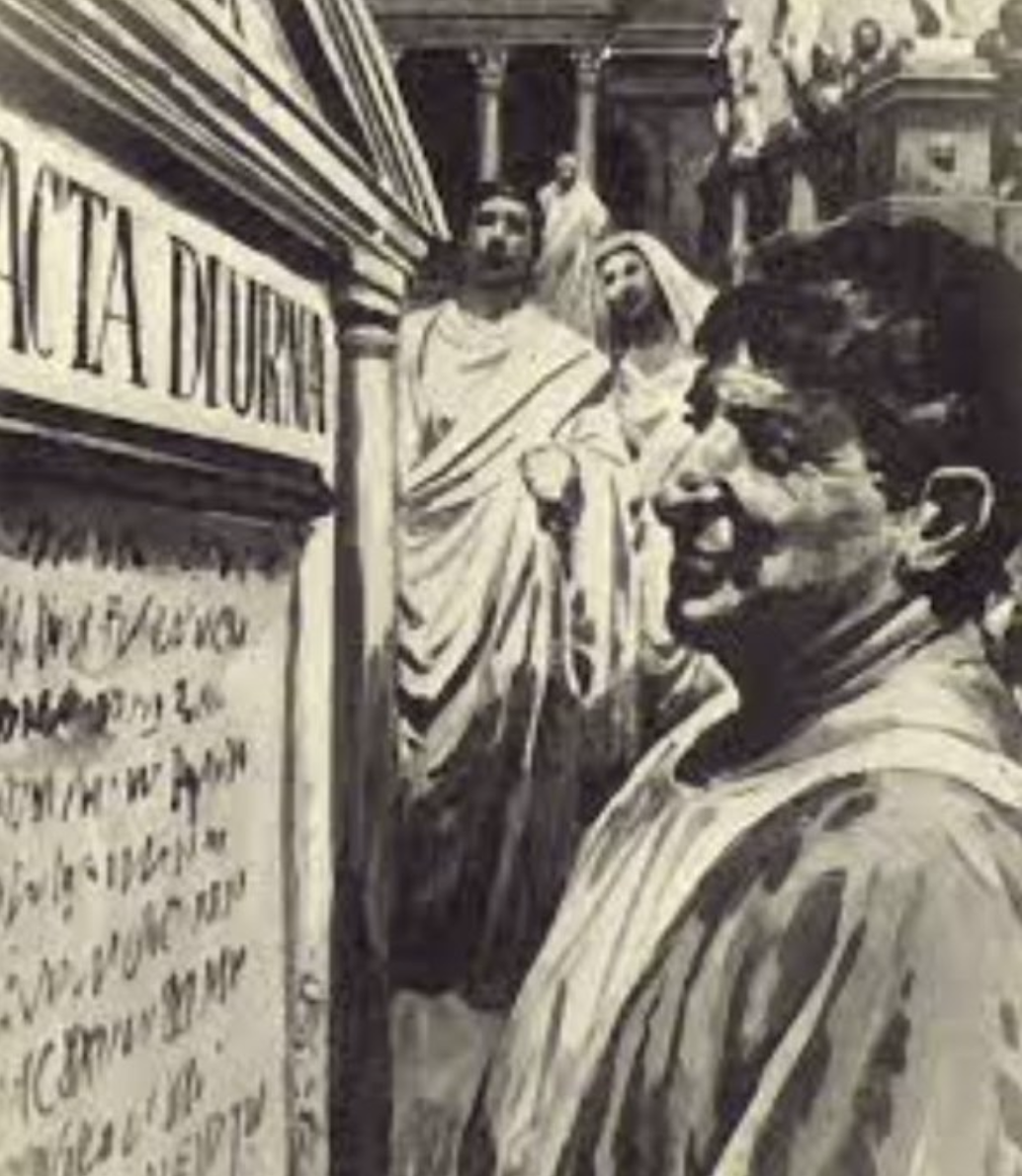
Initially, the official court news, known as the Acta Diurna (literally “The Daily Acts”), consisted of imperial decrees, legislation under consideration, and court updates. It was exclusively available to government officials. But when Julius Caesar was swept into power on a wave of populist enthusiasm, the newly appointed dictator decreed that the Acta Diurna should be made available to anyone who could read it. Thereafter, “The Daily Acts” were posted on public signboards called Album and those who could read gathered around them to peruse the news. In time the contents of the Acta Diurna expanded to include births, marriages, and deaths, as well as a little gossip. The essential idea of the modern newspaper was born.
Image credit: Techpedia
6.) Fast food
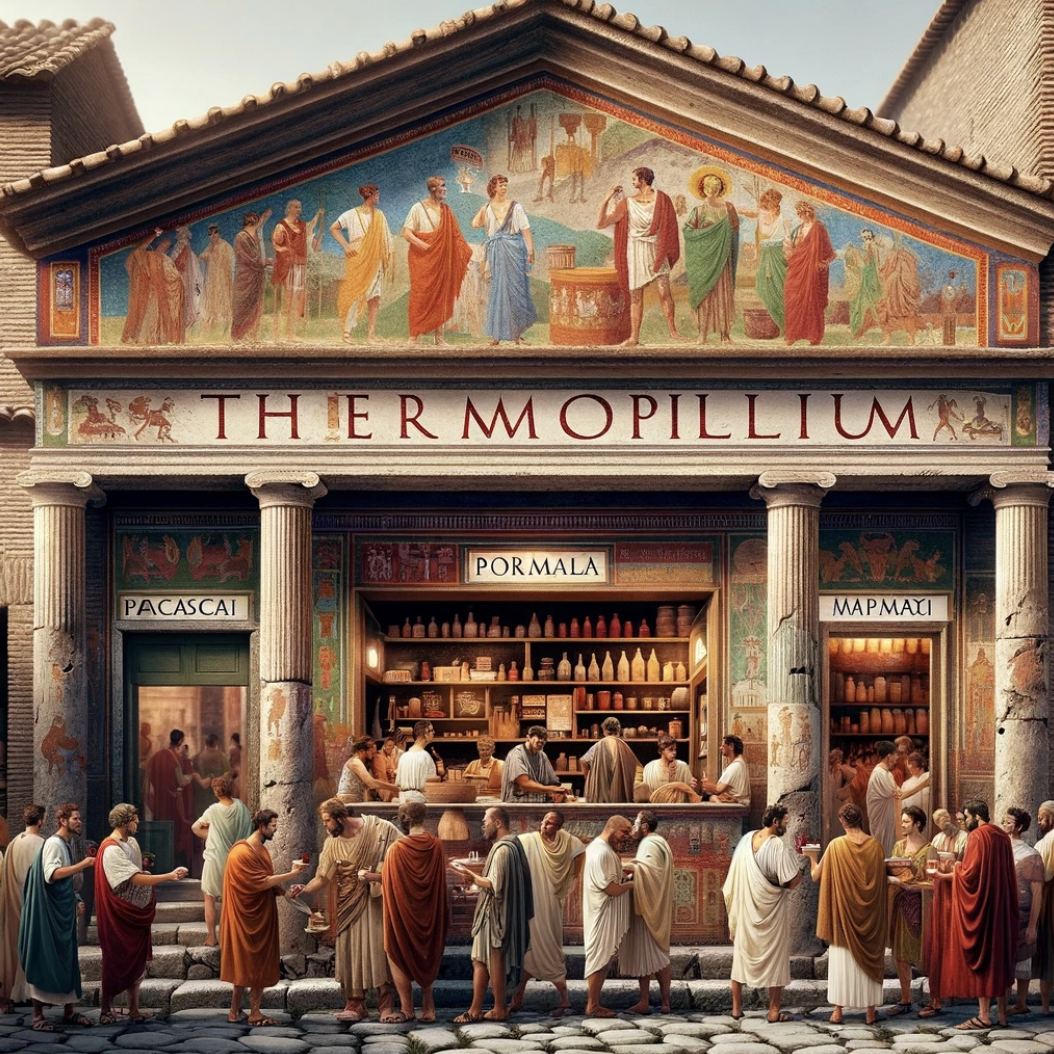
Most Romans who lived in urban environments lived in multi-story brick apartment buildings called insulae. Because fire was a constant hazard, most of the apartments did not have kitchens, so residents would have to leave their apartments to eat. Fortunately, most insulae had a thermopolium on the first floor serving food that was cheap, fast and convenient. Dates, walnuts, prunes, figs, beans, soups, and stews were typical of the fare. You could stand at the counter and eat your food or carry it upstairs to your apartment. Fast food and take-away were invented two thousand years before anyone ever heard of McDonalds.
Image credit: Planet Pompeii
7.) Dentistry
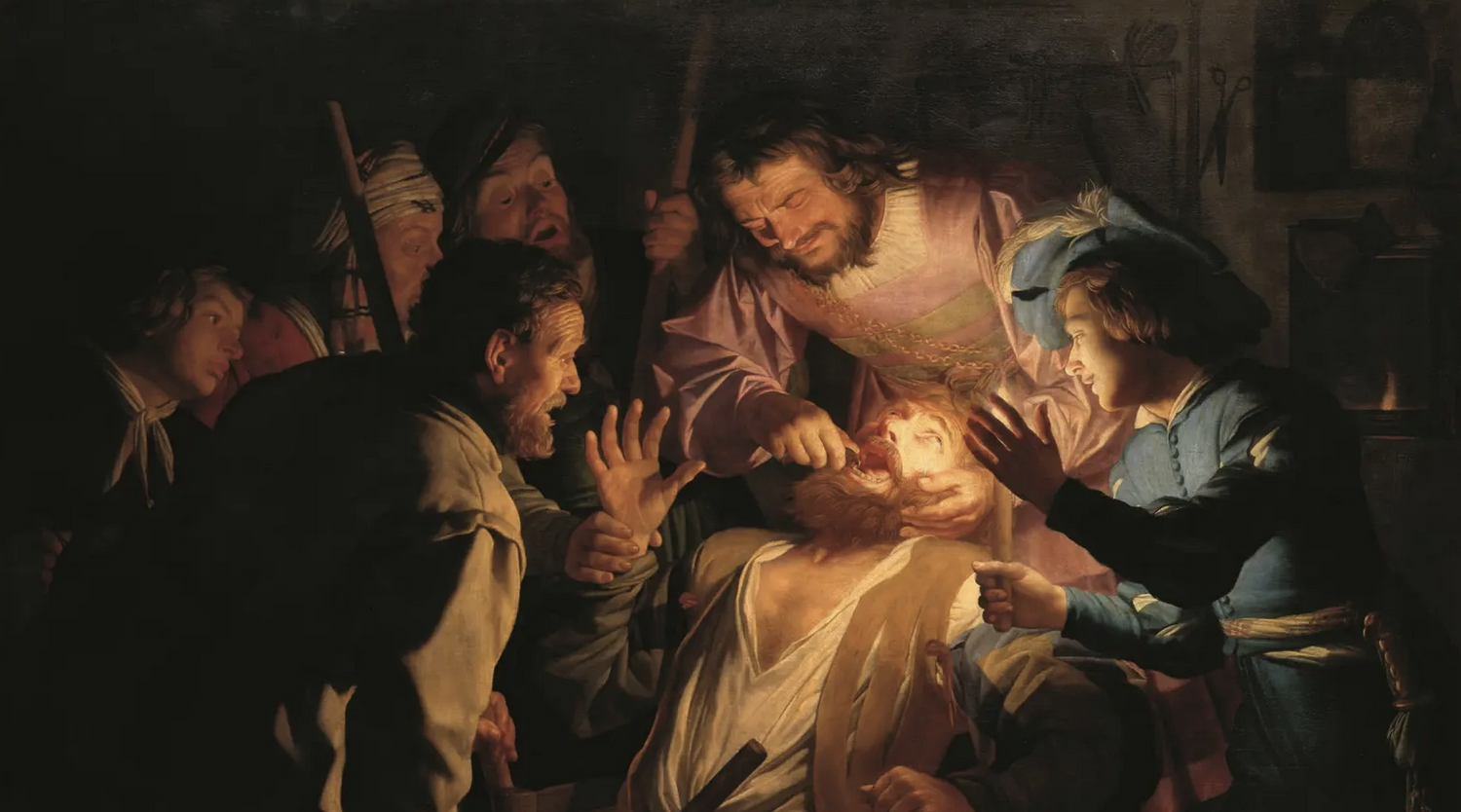
Archeologists examining the skulls of ancient Romans have noticed a remarkable lack of tooth decay. What’s more, these skulls have suggested that bad teeth were deliberately pulled, and evidence has been found that the Romans sometimes filled cavities and installed implants. All of which confirms what the ancient Roman writers have told us, that as early as the first century AD the Romans were familiar with many of the techniques of modern dentistry. Dental tools have been found at excavation sites, and the ancient writers tell us that the Romans routinely brushed their teeth. Perhaps most surprisingly the Romans used narcotics to dull the pain of dental work. Sadly, after the fall of the Roman Empire, it took 2000 years for western Europeans to resume the practice of “painless dentistry”.
Image credit: Gerrit van Honthorst
8.) Waste management
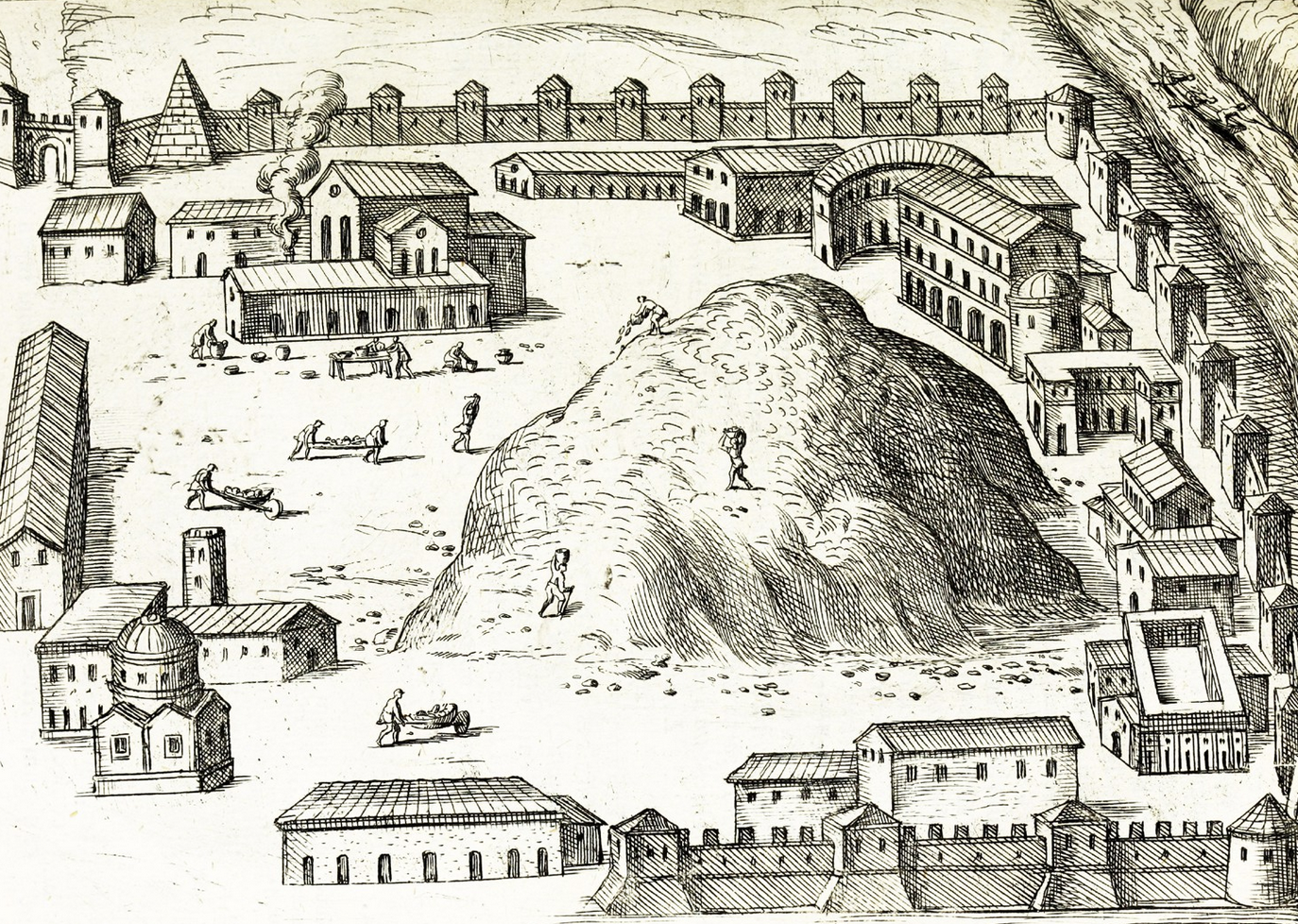
Regular garbage pick-up was a feature of many Roman cities. The Romans had cleaning crews with horse drawn carriages that went around the streets, picking up the trash and hauling it off to the dump (shown above). If you wanted the garbage men to come directly to your home, you had to pay for it, which made private garbage pick-up a luxury for the rich. Everyone else had to haul their garbage out to the curb and wait for garbage day. Do it incorrectly and you could be fined. But here's the real kicker. Roman garbage men would sort through the garbage and separate out items that could be reused. The Romans were practicing recycling! In the city where I live, they’re still trying to figure out how to do that efficiently. The Romans apparently had no problem doing it.
Image credit: Alessandro Donati
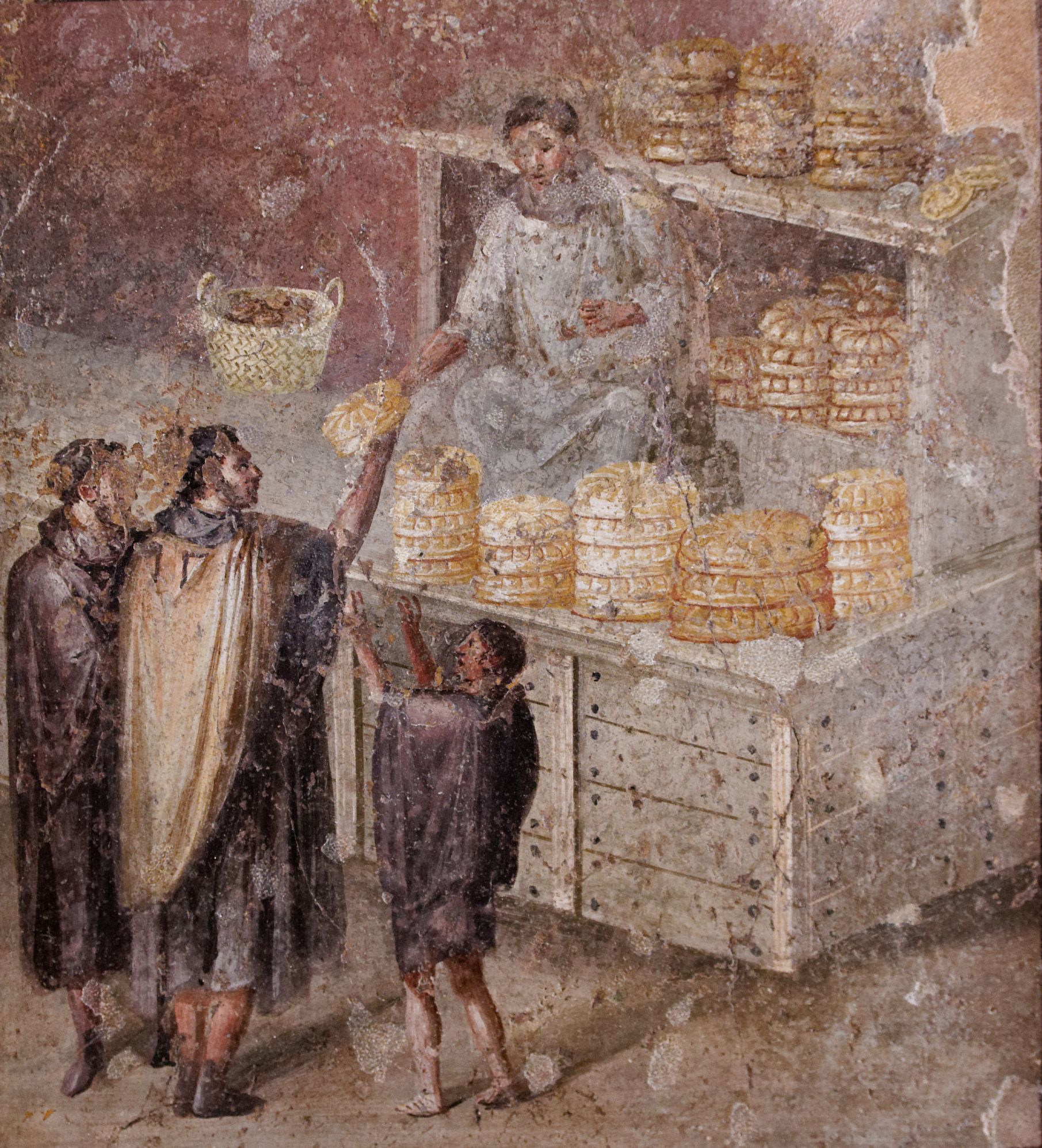
9.) Welfare programs
Roman politicians understood the value of keeping the public happy. As the poet Juvenal famously said, “Give them bread and circuses, and they will never revolt.” Rome’s first emperor, Augustus, a consummate politician, took this quite literally. He took what had been a temporary bread dole, made available to those suffering from famine, and made it a permanent entitlement for the people of Rome. Naturally, the public loved him for it. Government subsidies to help clothe, educate, and feed the needy were also common and kept the public mollified during economic downturns. Add to this free public spectacles like chariot races, gladiatorial battles, and parades, and the people of Rome had it pretty good. As advanced as we are today, our politicians don’t give out free tickets to NFL games as a privilege of citizenship. The savvy politician who comes up with that idea may find himself as popular as the Caesars.
Image credit: Marie-Lan Nguyen
10.) Bureaucracy
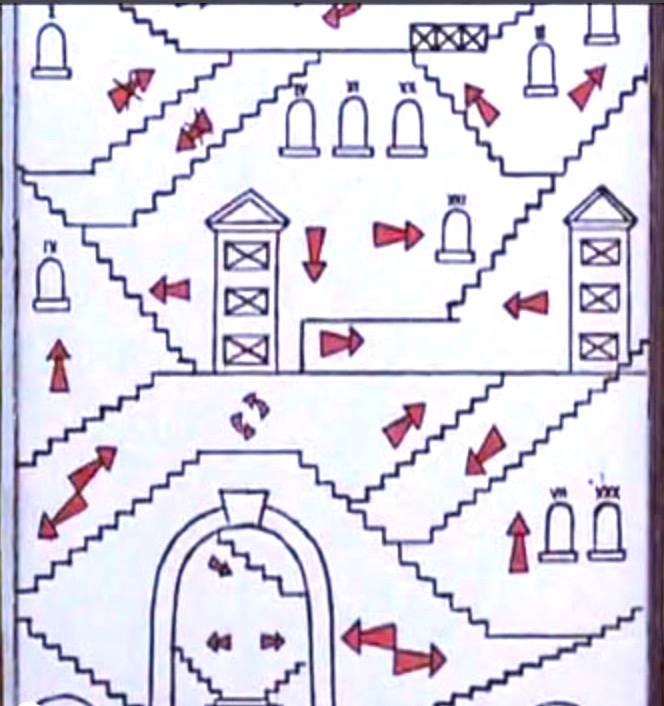
To make all these public services work the Romans relied on a sprawling bureaucracy, and just like bureaucracies today, Rome’s bureaucracy was both a blessing and a curse. On the one hand, it ran vast public systems overseen and managed by an army of functionaries who did their jobs according to the book. On the other hand, unless a person was well-connected, getting anything accomplished was a maddeningly slow process involving plenty of unnecessary hurtles administered by people who seemed indifferent to one's plight. Yet, as aggravating as it was, when it was gone (swept away by the Fall of the Roman Empire), people longed for it. After all, it was better than chaos, desperation, and despair.
Credit: Asterix
Currently there’s a school of thought among historians that argues the Dark Ages weren’t really dark, that the transition from Roman Antiquity to the Middle Ages was a continuum where things went on pretty much as usual. But to have lost all of these modern advancements in the course of a few generations—and to have lost them so completely it took 2,000 years to recover them—speaks to the cataclysmic impact of the Fall of the Roman Empire. The light definitely did go out, and the Dark Ages that followed were indeed dark.